Ready for the 2026 Spectacle?
The Grand Prix de Monaco is the crown jewel of the Formula 1 calendar, combining technical precision with unmatched glamour on the famous street circuit. We're already past March 31st, 2026, and the buzz in Monte Carlo is reaching fever pitch. You might wonder what makes this race so special compared to the standard tracks. It isn't just the speed; it is the sheer impossibility of driving fast through a narrow street course. The hairpin turns, the tunnel, and the harbor walls demand perfection. There is no room for error here.
Quick Key Takeaways
- Unique Challenge: The Circuit de Monaco is the slowest average speed on the grid, testing driver skill over raw horsepower.
- Schedule: The 2026 race window falls later in May, right when the Mediterranean weather hits its prime.
- Access: Tickets sell out months in advance due to limited grandstand availability along the coastline.
- Luxury Factor: Expect yacht parades, celebrity spotting, and high-society events alongside the grid action.
- Safety Evolution: New impact absorption barriers have been installed for the 2026 season after extensive testing.
What Makes the Circuit So Infamous?
You cannot discuss this race without talking about the layout itself. The Circuit de Monaco sits inside the Principality of Monaco. Unlike permanent circuits like Silverstone or Monza, this is a temporary track built on public roads. Drivers navigate streets barely wider than two cars for nearly three miles. In 2026, the focus remains on mechanical grip because downforce levels have increased across all teams to handle the slower corners.
Think about the physics involved. The track has elevation changes where drivers climb steeply from the start-finish straight up to the top corner known as Sainte Dévote. Then, they dive back down toward Portier. These shifts alter weight distribution constantly. If your suspension setup isn't perfect, the car becomes unstable. Teams spend weeks simulating these bumps in virtual reality before ever touching the asphalt. Even then, nothing prepares them quite like the real thing.
One secret area is the pit lane entry. It forces drivers to slow significantly between laps. A mistake here can cost a second-a lifetime in qualifying. We've seen crashes simply because a driver got too eager entering the box. The width allows exactly zero margin for lateral movement. This forces the engineers to design softer tires that can handle tight grip without overheating prematurely.
Experience the Atmosphere Like a Local
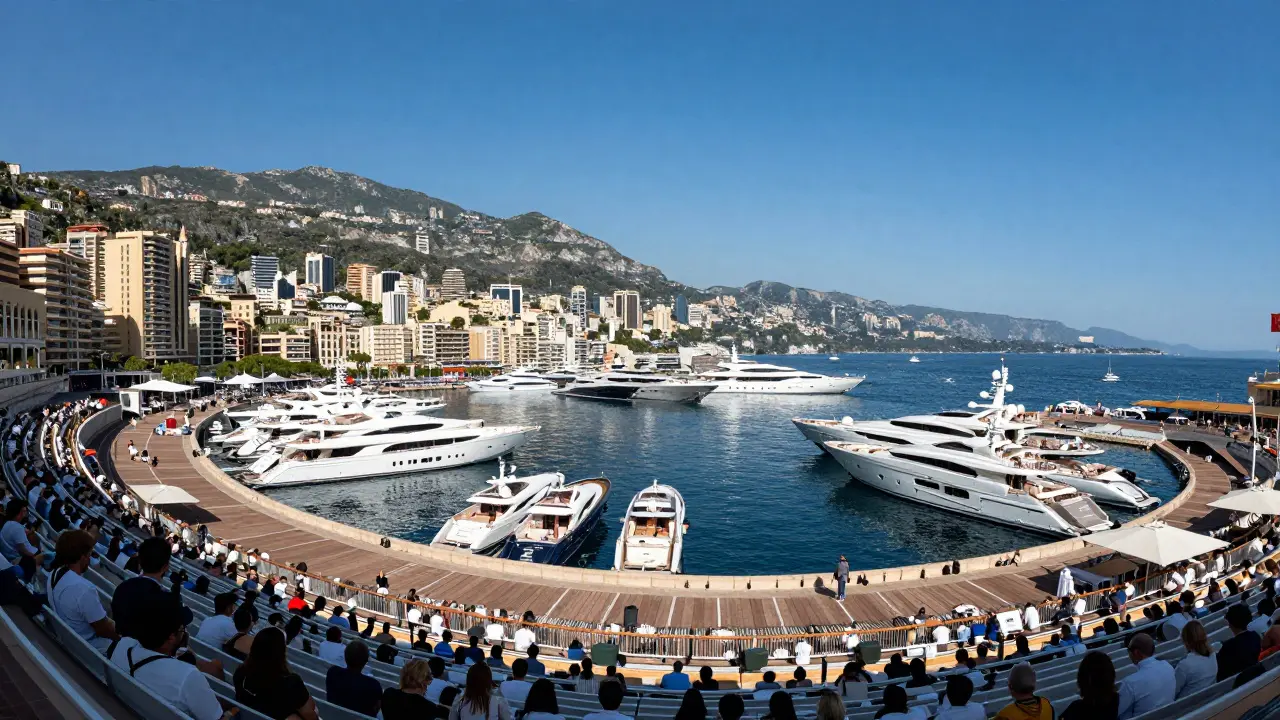
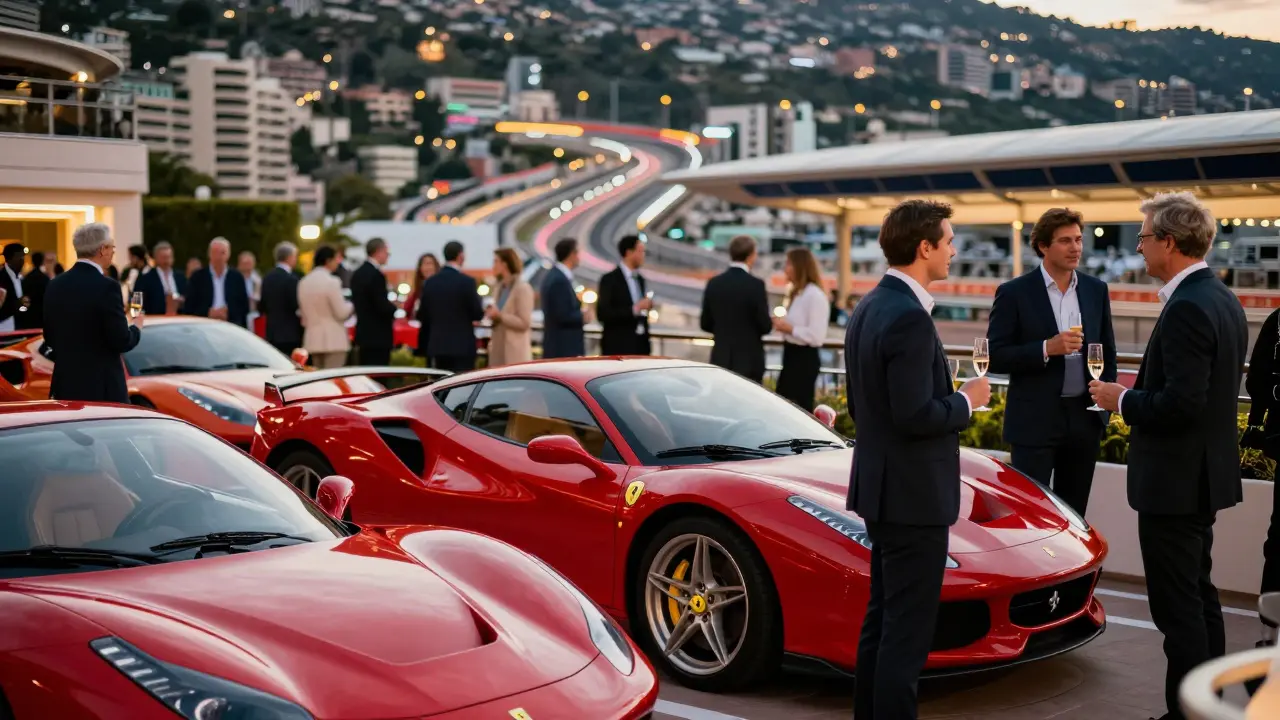
Attending the Grand Prix isn't just watching a sport; it is an immersion into a world of opulence. Imagine sipping champagne on a terrace overlooking the track. This is real for fans who book early enough. The Yacht Club de Monaco often hosts pre-race gatherings where owners dock vessels worth millions right outside the harbor wall section of the track. Seeing Ferraris parked next to super yachts creates a visual spectacle rivaling the race day itself.
Nighttime events have shifted recently. Historically, the race ran during the day, but organizers tested night races to attract more global viewership. While the current schedule maintains daylight running, the atmosphere post-race turns electric. Clubs around Fontvieille open their doors specifically for the paddock guests. Security is tight, naturally, but the energy in the city changes completely during race weekend. Locals close businesses to support the crowd surge. Restaurants extend hours, offering views directly onto the pit straight.
Technical Mastery Over Raw Power
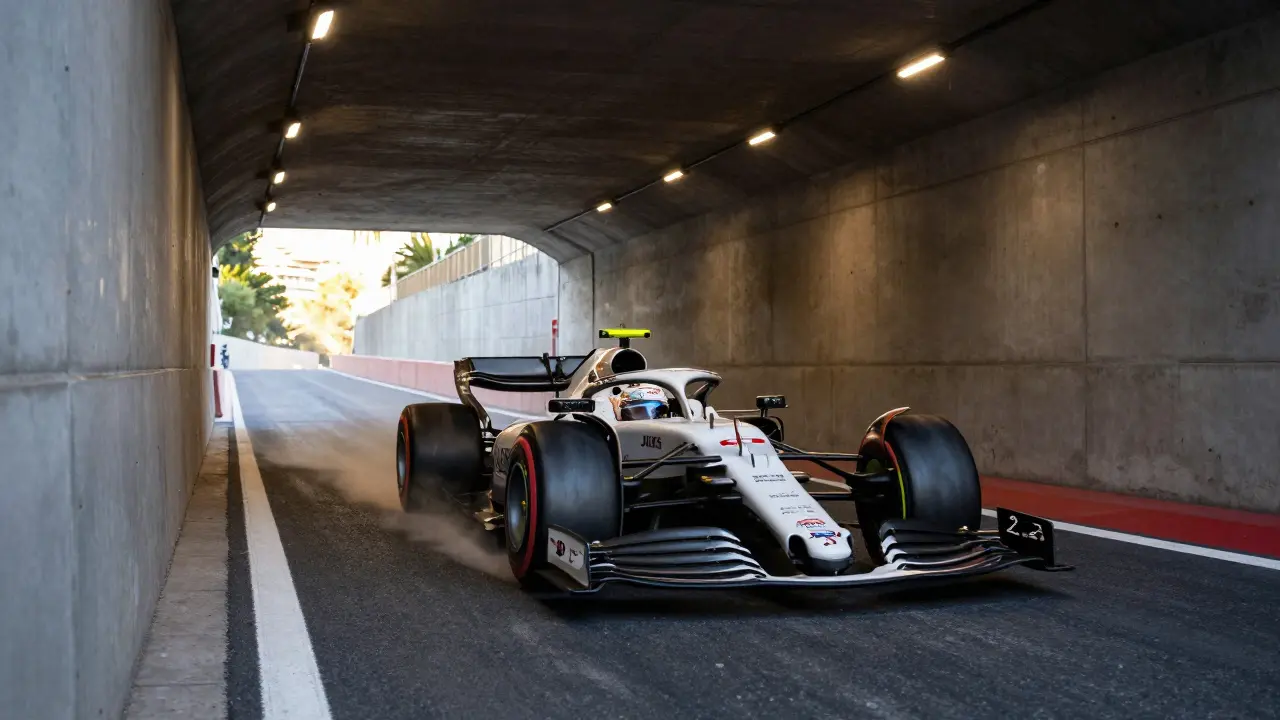
Why do teams obsess over this specific race? Because the car that wins here doesn't always win everywhere else. Low-speed corners require immense traction. If the gearbox slips, you lose momentum instantly. Engines are pushed hard during the sprint section through the Casino Square. The noise reverberates off the buildings, making it deafening without ear protection. Engineers monitor brake temperatures closely because drivers lift off the throttle late, scrubbing speed artificially to save the brakes.
We also see a change in hybrid unit deployment strategies. Energy recovery systems play a massive role on the straights leading to the Tunnel. Drivers time their power usage perfectly to slipstream rivals before exiting the dark zone. One miscalculation leaves them behind by meters. The 2026 regulation adjustments emphasize efficiency further. Fuel consumption limits are tighter now, forcing strategists to plan stint lengths differently than in previous years.
Pricing and Booking Your Spot
Finding a seat requires planning well ahead of March. Demand exceeds supply since space is finite along the shoreline. Ticket packages generally fall into tiers ranging from general admission behind barriers to luxury hospitality boxes. Prices scale rapidly as the date approaches. By mid-April, standard seating often sells out completely. Resale markets pop up immediately, though buying from official sources guarantees safety and authenticity.
If you want hospitality, expect to pay premium rates that include food, drinks, and trackside access. Many hotels near the Grimaldi Forum offer packages bundling accommodation with race passes. Remember to check the fine print regarding transfers. Public transport shuts down entirely during race sessions. Walking from the hotel is often impossible unless staying within immediate proximity to the track entrance zones.
Safety First: Understanding the Risks
Spectators need awareness of the environment. Debris flies during high-speed impacts. Helmets and barriers provide some protection, but standing areas still carry inherent risk. Organizers enforce strict bag checks. Prohibited items include large cameras, glass bottles, and any objects capable of obstructing views for neighbors. Medical tents are stationed every few hundred meters throughout the grandstands. Emergency response times are incredibly fast thanks to the local police force dedicated to the event security plan.
Crowd density management remains a priority. With thousands squeezed into narrow viewing spots, bottlenecks can occur at exit gates. Plan to leave immediately after the parade lap finishes. The rush to clear the circuit can result in long waits. Staying hydrated is essential since spring in Monaco can get surprisingly warm on the south-facing sections of the track.
| Feature | Monaco | Silverstone |
|---|---|---|
| Track Type | Street Circuit | Permanent Circuit |
| Average Speed | ~95 mph (Slowest) | ~125 mph |
| Overtaking Potential | Very Low | Moderate to High |
| Tyres Used | Ultra Soft/Soft | Hard/Medium |
| Danger Level | High (Walls close) | Low (Run-off areas) |
Historical Records Worth Knowing
Before heading to the stands, learn a bit of history. Ayrton Senna set a legendary pole position record here in 1993 that stood for decades. Lewis Hamilton has dominated modern times, winning seven times by his last outing. Fernando Alonso proved in 2021 that strategy matters more than pure pace sometimes. Knowing who held the fastest lap gives you something to look for when analyzing the live timing boards. Some records feel untouchable now because modern tires allow higher minimum speeds through chicanes compared to older rubber compounds.
Planning Your Arrival Strategy
Arriving in Monaco is part of the adventure. The principality borders France, but border control can be unpredictable during major events. Arrive via airport in Nice (NCE) and take the express train. Trains run frequently, connecting directly to Monaco-Station. From there, shuttles drop passengers closer to the track entrances depending on ticket zone allocation. Avoiding traffic is crucial-private cars are banned from certain zones on race days. Valet parking costs extra money but saves headaches if you rent a vehicle nearby.
When is the 2026 Grand Prix de Monaco scheduled?
The 2026 race is typically held in early to mid-May. Exact dates are confirmed closer to January by the FIA calendar committee, but tradition places it consistently around that window.
Where can I buy official tickets?
Purchase directly through the official Circuit de Monaco sales portal to avoid scams. Authorized vendors include official partner travel agencies and hospitality providers accredited by the ASO (Automobile Club de Monaco).
Is camping allowed near the track?
No, wild camping is prohibited due to local regulations. Most spectators stay in nearby hotels or campervans parked in designated zones in neighboring France before taking transit in.
Can I bring my own camera gear?
Small cameras and phones are permitted. Professional lenses with detachable mounts exceeding 200mm focal length are restricted without press credentials. Check bag policy guidelines before arrival.
What happens if the race rains?
Unlike many tracks, the Monaco GP rarely stops fully for rain due to water drainage issues. Yellow flags manage caution phases until the surface dries, allowing wet tyres to gain grip safely.
Final Thoughts on the Experience
This event blends sporting excellence with a festival of style. Whether you care about engine specs or fashion trends, the Grand Prix delivers both. Planning ahead ensures you get the best view without missing out on the culture surrounding the sport. The excitement builds as May approaches, transforming a quiet principality into the loudest place on Earth.