Grand Prix Monaco: More Than Just a Race
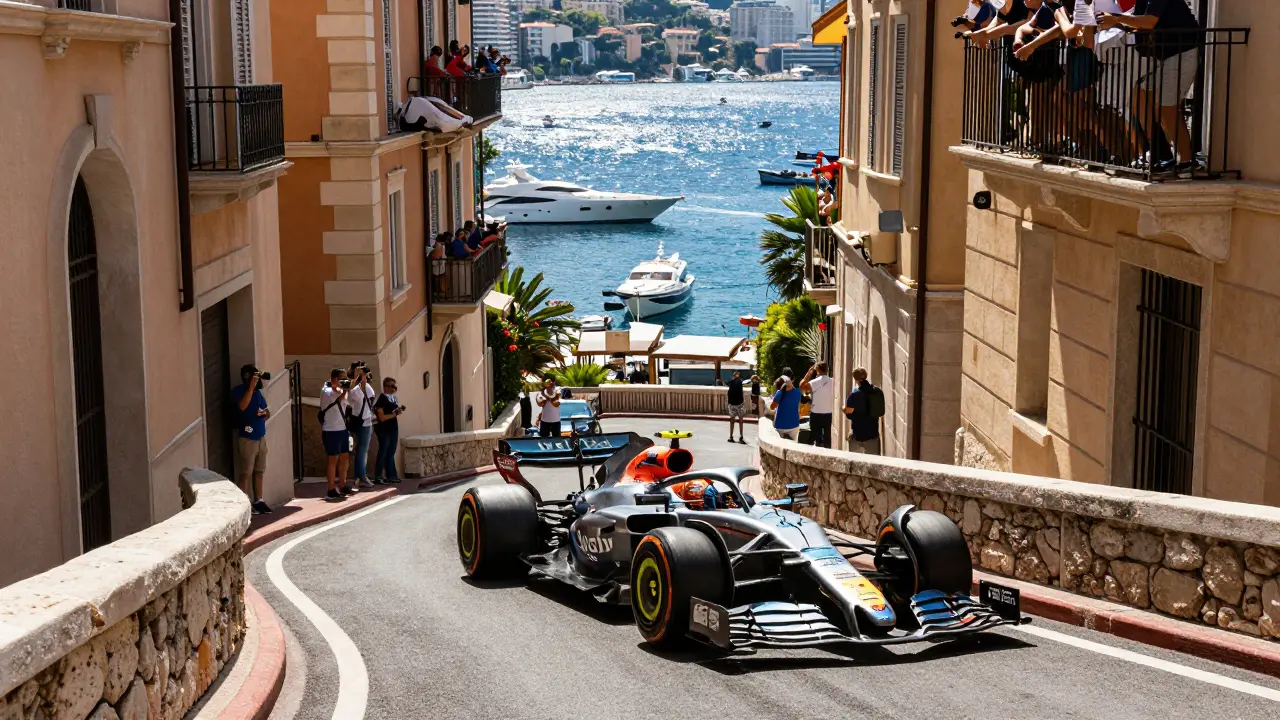
You’ve seen the clips. The cars hugging every curve of the narrow streets. The Mediterranean glittering under the floodlights. The crowd holding its breath as a driver threads the needle between barriers barely wider than a tire. This isn’t just another Formula 1 race. The Grand Prix Monaco is a spectacle built on history, danger, and pure drama. And if you think it’s just about speed, you’re missing half the story.
Why Monaco Is the Crown Jewel of F1
There are 22 races on the F1 calendar each year. Only one of them feels like a movie set. Monaco isn’t built for racing-it’s a city that reluctantly lets cars drive through it. The circuit wraps around the harbor, climbs up the hill to the casino, squeezes through tunnels, and dives down the famous Tabac corner like a rollercoaster with no safety rails.
Since 1929, this race has been the ultimate test. No room for error. No margin for mistakes. One wrong move, and you’re in the barriers-or worse. That’s why drivers call it the most demanding track on earth. Even Lewis Hamilton, with seven world titles, says Monaco is the one race he dreads and loves in equal measure.
The Secret Behind the Spectacle
What most fans don’t see? The city shuts down for weeks. Streets are repaved. Barriers are moved. Thousands of tons of concrete and steel are installed just to keep the cars from hitting a luxury hotel. The track is only used for five days a year. The rest of the time, it’s a normal city-where people walk their dogs, kids ride bikes, and tourists take selfies at the Prince’s Palace.
And then, one weekend in May, it transforms. The air smells like burnt rubber and champagne. The harbor fills with yachts worth more than some countries’ GDPs. And for 78 laps, the world watches as the best drivers on the planet risk everything on a street that wasn’t meant for them.
What Makes the Monaco Circuit Unique?
- Length: 3.337 km (2.074 miles)-the shortest on the F1 calendar
- Turns: 19 corners, mostly slow and technical
- Top Speed: Around 290 km/h (180 mph)-unusually low for F1
- Overtaking spots: Two or three, if you’re lucky
- Qualifying importance: 70% of race winners start in the top 3
There’s no room for recovery here. If you mess up in qualifying, your race is over before it begins. That’s why teams spend more time on setup here than anywhere else. A tiny change in wing angle or suspension can mean the difference between leading the race and spinning into the harbor.
The Night Race That Never Was
Wait-didn’t you say "night of speed"? You’re right. But here’s the twist: Grand Prix Monaco has never been a night race. Unlike Singapore or Bahrain, Monaco runs in daylight. The race starts at 14:00 local time, when the sun is still high. The glamour, the yachts, the paparazzi-all under blue skies.
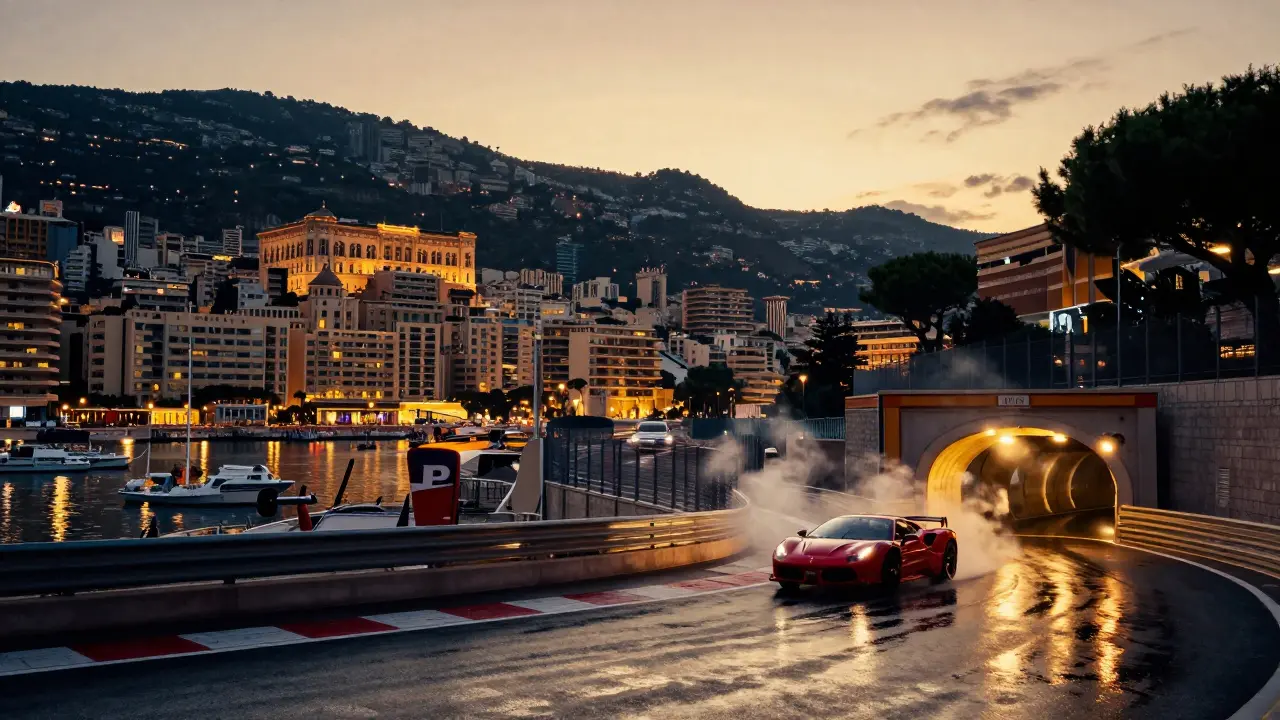
So why does the title suggest a night race? Because Monaco has the most electric atmosphere after sunset. The harbor lights reflect off the cars as they cruise back to the pits. The crowds spill into the bars of Monte Carlo. The music starts. The champagne flows. The real party begins when the checkered flag falls.
What to Expect if You’re There in Person
If you’ve never been, imagine this: You’re standing on a balcony above the Swimming Pool corner. Below you, a Ferrari screams past at 250 km/h, tires screaming, engine howling. The noise hits you like a wave. You feel it in your chest. Then, silence. The car disappears around the next bend. And you realize-you’re watching history unfold.
But it’s not just the racing. It’s the people. Billionaires in tailored suits. Supermodels in designer sunglasses. Former drivers turned commentators. Kids holding autograph books. The whole world gathers here-not just for the race, but for the ritual.
Where to Watch: VIP vs. General Admission
You don’t need a million dollars to see the race, but you do need to plan early. Here’s what you get at different levels:
- General Admission (€150-€300): Stand along the track in public areas like the Rascasse or La Rascasse. You’ll get the sound, the energy, but no seats. Bring a cushion.
- Grandstands (€500-€1,500): Covered seating with good views. The best spots? Turn 1 (Sainte Devote) and the Tunnel exit.
- VIP Hospitality (€5,000+): Luxury tents with food, drinks, and private viewing balconies. You’ll see the drivers up close during parade laps.
Pro tip: Book 12 months in advance. Tickets sell out faster than a Beyoncé concert. And if you’re lucky enough to get a hospitality package, you might even get a ride in a Formula 1 car the next day.
What’s at Stake Beyond the Trophy?
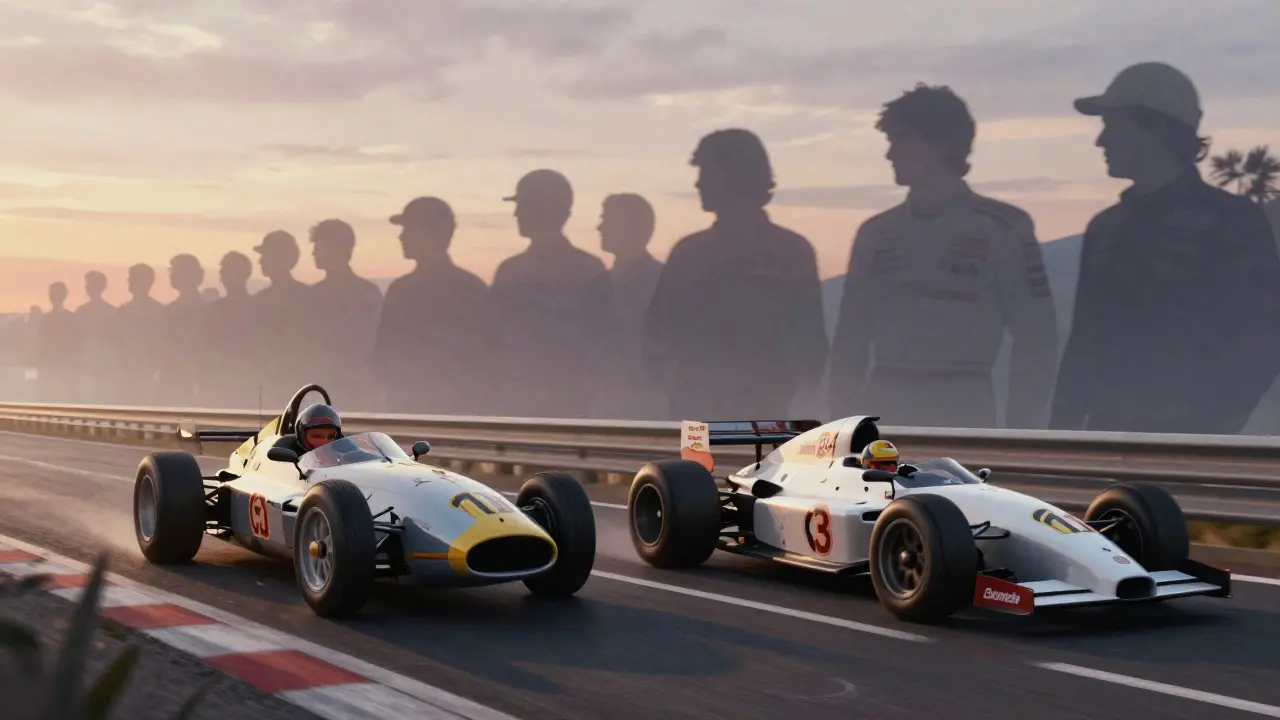
Winning Monaco isn’t just about points. It’s legacy. Drivers who win here are remembered forever. Ayrton Senna won six times. Alain Prost won five. Charles Leclerc, the local hero, finally broke his streak in 2024 after years of near-misses. The crowd went wild. He cried on the podium.
Teams fight for Monaco because sponsors pay extra to be here. Brands like Rolex, Pirelli, and Emirates don’t just want ads-they want to be part of the myth. A win here means global headlines. A crash? It means headlines too.
Why Monaco Still Matters in 2025
With electric cars and new tracks popping up everywhere, you’d think Monaco would be outdated. But it’s the opposite. As F1 grows more technical, Monaco reminds everyone why racing started: raw skill, nerve, and a track that doesn’t care who you are.
The new generation of drivers-like Oscar Piastri and Logan Sargeant-still get nervous here. That’s a good thing. If they didn’t, it wouldn’t be Monaco.
What to Do After the Race
The race ends at 5 p.m. But the night is just getting started. Head to the Yacht Club for live music. Grab a cocktail at the Monte Carlo Bar. Or wander the streets of La Condamine, where locals celebrate with wine and grilled sardines. You’ll see drivers in casual clothes, laughing with fans. No helmets. No suits. Just people who love the sport.
Grand Prix Monaco vs. Singapore Night Race
| Feature | Monaco | Singapore |
|---|---|---|
| Time of Day | Daytime (14:00) | Night (20:00) |
| Track Type | Street circuit in a historic city | Street circuit in a modern metropolis |
| Passing Difficulty | Extremely hard | Hard, but slightly more opportunities |
| Atmosphere | Classic elegance, yachts, royalty | High-energy, neon lights, Asian nightlife |
| Historical Significance | Since 1929 | Since 2008 |
| Weather | Usually sunny, occasional rain | Hot, humid, frequent thunderstorms |
Frequently Asked Questions
Is the Monaco Grand Prix really the hardest race in F1?
Yes. Drivers say it’s the most physically and mentally demanding race of the year. There’s no room for error. One mistake, and your race is over. The walls are closer than in any other circuit. Even experienced racers admit they feel more pressure here than at any other track.
Why isn’t Monaco a night race like Singapore?
Monaco’s organizers have always insisted on keeping the race during the day to preserve its traditional charm. The natural light, the harbor views, the historic architecture-all are part of the appeal. Plus, the race is timed to fit European TV audiences. Night racing is flashy, but Monaco is about legacy, not spectacle.
Can you watch the Monaco Grand Prix for free?
Not officially. All official viewing areas require tickets. But some locals open their balconies and charge a small fee for a seat. There are also public screens set up in nearby towns like Beausoleil and Menton, where you can watch for free-but you’ll miss the real atmosphere.
How do drivers prepare for Monaco?
They spend weeks studying the track on simulators. Many walk the circuit on foot before the race to feel every bump and curb. Some even ride bikes along the route. Mental prep is just as important as physical-drivers meditate, visualize every corner, and train their reflexes for split-second decisions.
Who holds the record for most Monaco Grand Prix wins?
Ayrton Senna, with six victories between 1987 and 1993. He’s still the king of Monaco. Even today, drivers say they feel his presence on the track. His 1993 win-raining, no pit stops, flawless control-is considered one of the greatest drives in F1 history.
Ready to Experience Monaco?
If you’ve ever dreamed of standing where legends raced, now’s your chance. The 2026 Grand Prix Monaco will be here before you know it. Book early. Bring good shoes. And don’t forget your camera. Because this isn’t just a race. It’s a moment that sticks with you-for the rest of your life.